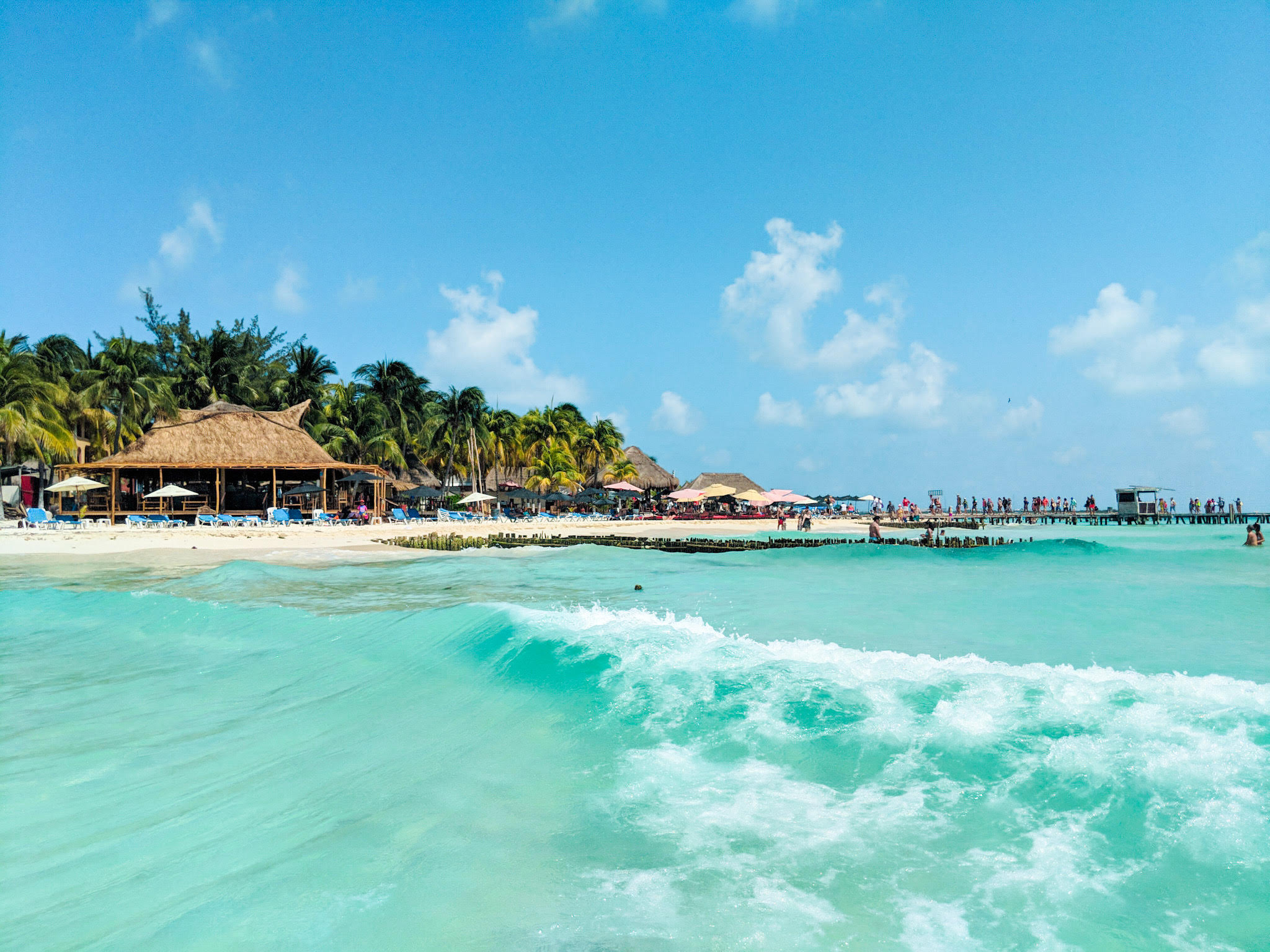
Welcome to X is for MeXico for the Global Children’s Book Club! Today we’ll be going on a virtual tour of Mexico with kids. Get ready for a fun and inspiring Mexico virtual field trip – perfect for global education … Read More
Welcome to W is for Wales for the Global Children’s Book Club! Today we’ll be going on a virtual tour of Wales with kids. Get ready for a fun and inspiring Wales virtual field trip – perfect for global education … Read More
Welcome to V is for Venezuela for the Global Children’s Book Club! Today we’ll be going on a virtual tour of Venezuela with kids. Get ready for a fun and inspiring Venezuela virtual field trip – perfect for global education … Read More
My older two children picked up reading fairly quickly. We worked together for a few months, and they were generally interested and engaged for most of the time. I didn’t feel like it required a great deal of motivation either … Read More
Welcome to U is for Ukraine for the Global Children’s Book Club! Today we’ll be going on a virtual tour of Ukraine with kids. Get ready for a fun and inspiring Ukraine virtual field trip – perfect for global education … Read More
When teaching kids to read, I personally want the simplest and most straightforward materials that won’t bore me out of my mind. With my first, I did a lot of research on the best books to teach reading and tried … Read More
Over the past 5 years, I’ve spent a fair amount of time teaching kids to read. Not only have I taught my older three kiddos (now ages 9, 7, and 5), but I’ve also helped out in their classrooms specifically … Read More
Welcome to T is for Thailand for the Global Children’s Book Club! Today we’ll be going on a virtual tour of Thailand for kids. Get ready for a fun and inspiring Thailand virtual field trip – perfect for global education … Read More
Welcome to S is for South Korea for the Global Children’s Book Club! Today we’ll be going on a virtual tour of South Korea with kids. Get ready for a fun and inspiring South Korea virtual field trip – perfect … Read More
Welcome to R is for Russia for the Global Children’s Book Club! Today we’ll be going on a virtual tour of Russia with kids. Get ready for a fun and inspiring Russia virtual field trip – perfect for global education … Read More
July 4th was always one of my favorite holidays growing up. I love the family time and fun and invitation to consider freedoms. I’ve always known that not everyone in our country enjoys those freedoms equally, but it’s become far … Read More
Welcome to Q is for Qatar for the Global Children’s Book Club! Today we’ll be going on a virtual tour of Qatar for kids. Get ready for a fun and inspiring Qatar virtual field trip – perfect for global education … Read More
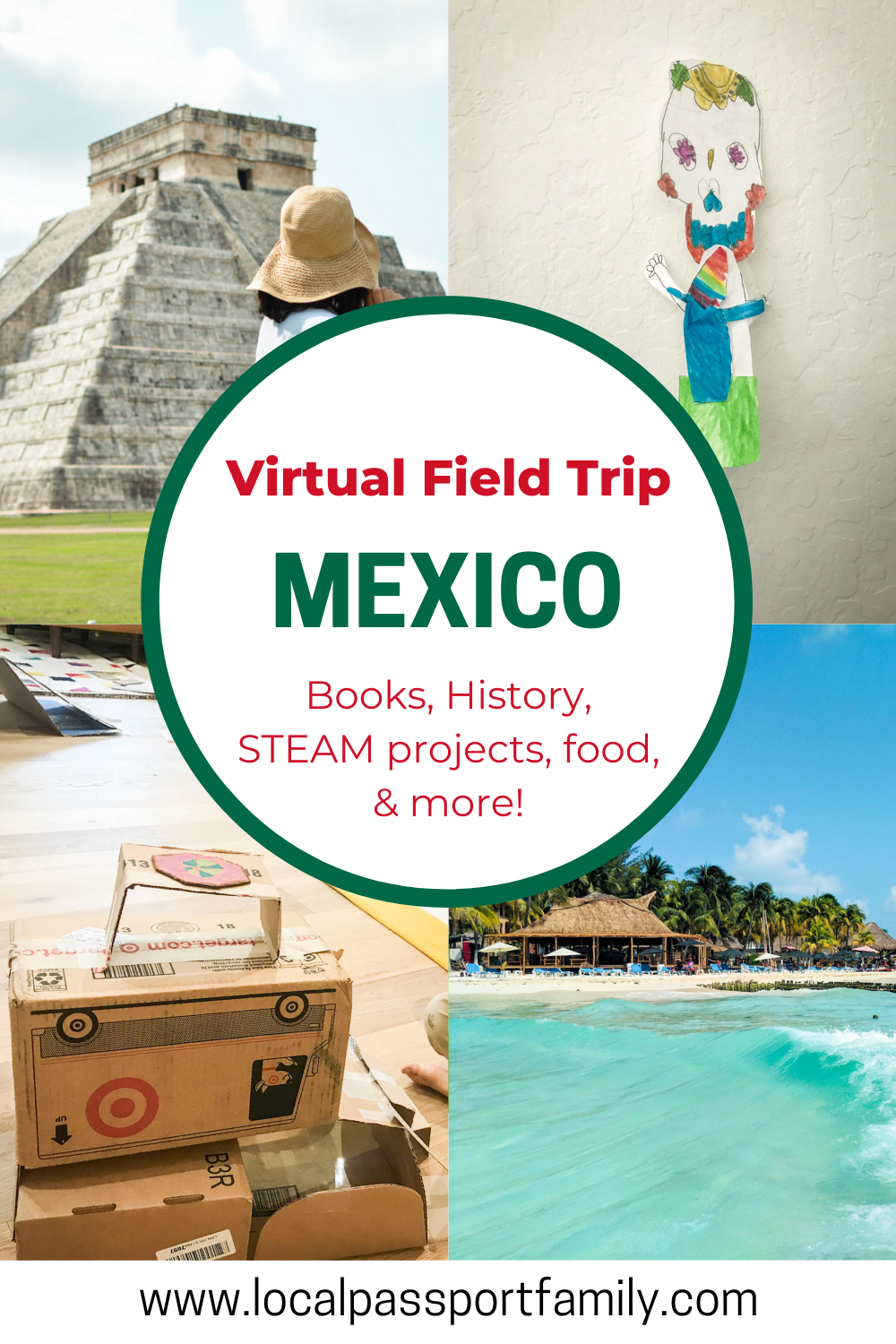
Welcome to X is for MeXico for the Global Children’s Book Club! Today we’ll be going on a virtual tour of Mexico with kids. Get ready for a fun and inspiring Mexico virtual field trip – perfect for global education at home or for a Mexico homeschooling unit.
You can find the full list of countries for the book club right HERE. Be sure to sign up for the email list to get all the information in advance and to receive fun extras!
This Mexico virtual tour contains affiliate links, but all opinions are 100% my own. That means I earn a small commission if you purchase through my link, but doesn’t change your price.
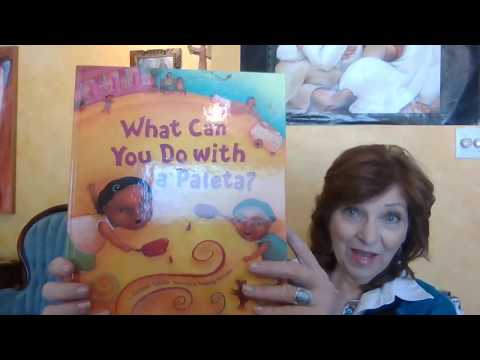
What Can You Do With A Paleta Picture Book Discussion Questions
Has food ever made it easier to make new friends in your life?
Do you have a favorite frozen treat that is specific to your heritage?
Sometimes one sense memory can remind you of another, like the sound of a paleta wagon’s tinkly bell can remind someone of the flavor of paletas. Are there any sounds that remind you of specific flavors? Any flavors that remind you of specific sights? Any smells that remind you of specific people?
What is your favorite flavor of fruit?
Has a favorite food ever helped you get through a long, hard day?
Other Mexico Books for Kids
Mexico Facts
Basic Facts
The capital of Mexico is Mexico City.
The official name is United Mexican States.
Andrés Manuel López Obrador is the current President of Mexico.
Mexico is located in North America.
Mexico borders the Pacific Ocean, the Caribbean Sea, and the Gulf of Mexico; the United States to the north, and Belize and Guatemala to the south.
Spanish is one of the main languages of Mexico. Some of the most widely spoken languages in Mexico are Nahuatl, which has more than 1.7 million speakers; Maya, spoken by around 850,000 people; and Mixtec.
The currency in Mexico is Mexican peso. $1 USD = 23.06 Mexican Peso.
Mexico has wet and dry seasons. Mexico’s rainy season runs from May to October each year.
About 83% identify as Roman Catholics and 7% Protestant.
Mexico’s main industries are food, cars, and consumer goods. Mexico exports, or sells, a lot of silver, fruits and vegetables to other countries.
Interesting Facts
Millions of monarch butterflies migrate to Mexico every year from the U.S. and Canada.
A Mexican tamale called the zacahuil is three feet long and weighs about 150 pounds.
Popcorn was first made in pre-historic cities in Mexico. It was made in very hot clay pots and was called momochtli.
Chocolate was invented in Mexico! The Aztecs used cocoa pasted in drinks for its health benefits.
The Maya people were the first to invent chewing gum!
The border between Mexico and the United States is the second largest border in the world (only the U.S.-Canadian border is longer).
Mexico City has the highest elevation and is oldest city in North America. It is also one of the largest cities in the world.
Red poinsettias come from Mexico. They were renamed after Joel Roberts Poinsett, the first United States ambassador to Mexico.
Mexico has more Catholics than any other country in the world except Brazil.
Mexico has gone through many cultural transformations. It tends to follow the history of the country with major changes happening around the time of Spanish colonization, Mexican independence, and the Mexican Revolution.
While the overwhelming majority of Mexicans speak Spanish, many also speak indigenous languages. Did you know the word “chocolate” comes from the language Nahuatl?
Family is extremely important in Mexican society. Extended families tend to be large and close. Hosting family parties is very common in Mexican culture.
One major Mexican family event is the quinceañera, when a young woman turns 15. She usually has a large party with lots of family and friends, very fancy dress, and a church mass.
HERE is a fun printable Mexico flag coloring sheet!
Mexico Virtual Tour to a Featured Landmark
Chichen Itza
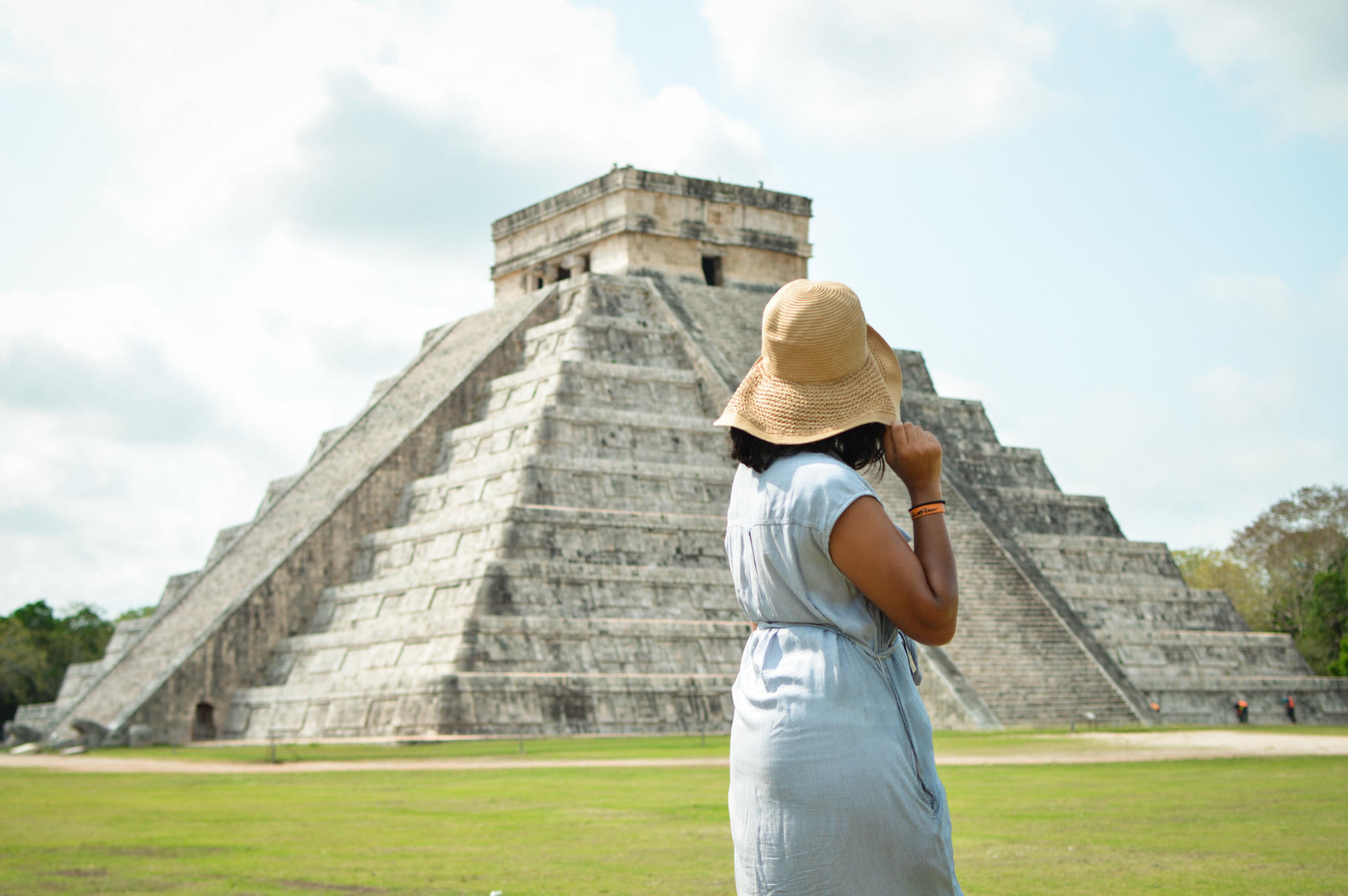
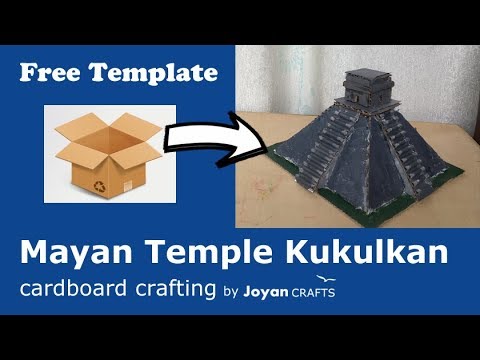
The ancient Maya city of Chichen Itza with was a very sacred place. The ruins today show pyramids, temples, and other stone buildings. The Temple of Kukulkan (El Castillo) is the most famous structure. It’s a pyramid with 365 steps – one for each day of the year.
When the sun hits the temple at just right time at the equinox, an image of a serpent appears!
The biggest Maya ball court (juego de pelota) is in Chichen Itza. It is nearly 600 feet long! Despite this, if you whisper at one end of the court, someone can hear it all the way at the other end due to the acoustics. Each side of the court has stone hoops.
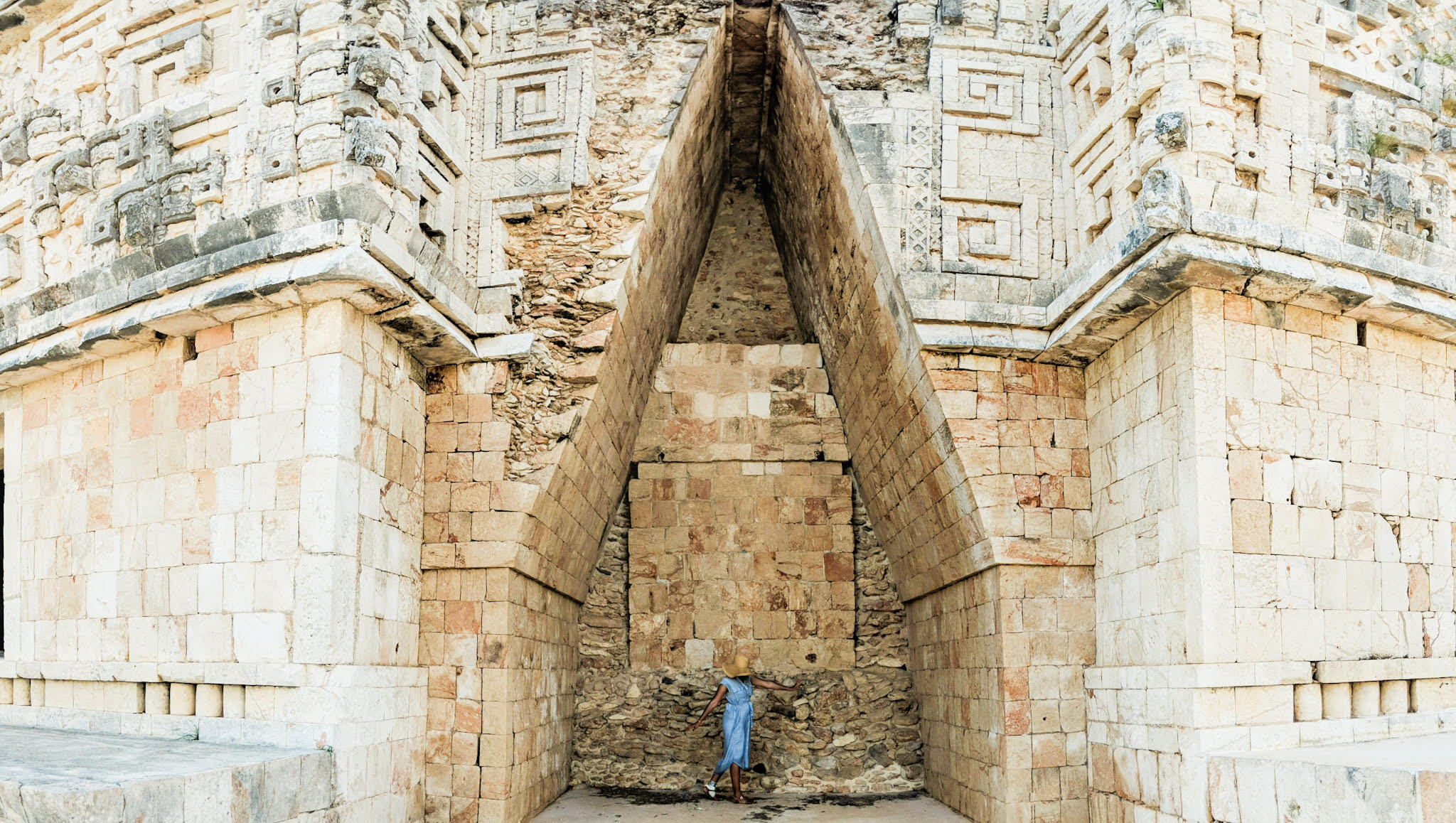
Uxmal is another ancient Maya ruin that is extremely well-preserved!
Teotihuacán
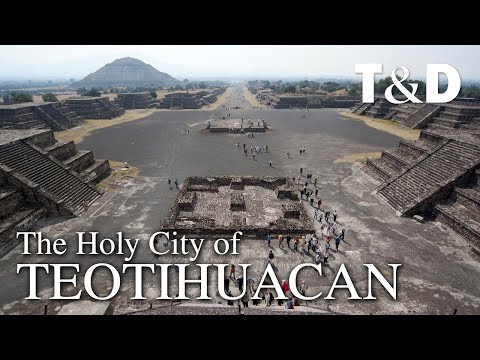
Teotihuacán was a pre-Colombian city in Mexico. It was the largest city in pre-Colombian Americas, and dominated that area of Mexico. The site began as a religious center but became the largest and most populated area. It is now the most visited archeological site in Mexico.
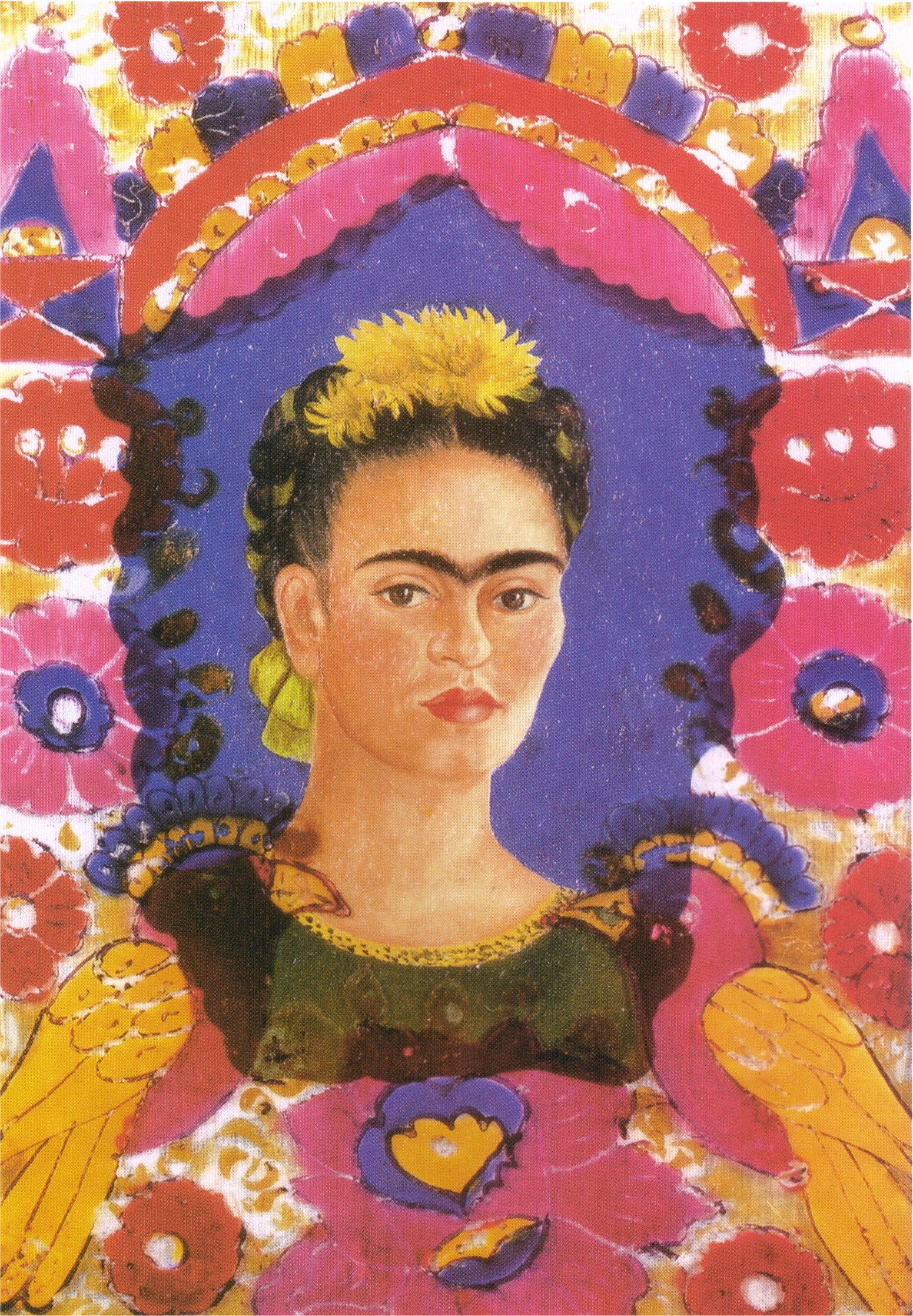
Featured Mexican Artist: Frida Kahlo
Frida Kahlo was born in Mexico and cared deeply about sharing Mexican folk culture. She did not want it to get lost from colonization. She often wore traditional Mexican clothes.
Frida painted in a way that shared Mexican culture with all who viewed it. She used strong lines and bright colors. She also painted to share the experience of a woman, which was not common during that time. Frida painted other women and situations specific to women (like motherhood), and even hard things like abuse towards women.
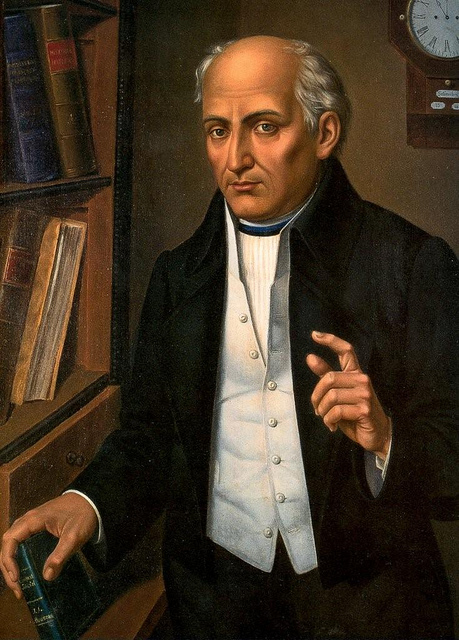
Featured Important Mexican Person: Miguel Hidalgo
Miguel Hidalgo was a Roman Catholic priest who was a leader in the Mexican War for Independence. Because he was so instrumental in the creation of independent Mexico, he is recognized as the Father of Mexico.
Hidalgo was a professor and served in a church, and discovered some very fertile soil. He tried to teach the poor to grow olives and grapes, but that often wasn’t allowed by Spain because it would mean people wouldn’t purchase as many Spanish imports. Hidalgo gave a famous speech called “Cry of Dolores” where he encouraged people to revolt against the European Spanish. He marched across Mexico and gathered a large army.
Unfortunately, many of his army fled, and he was eventually caught and executed. His legacy, however, inspired those who came after him.
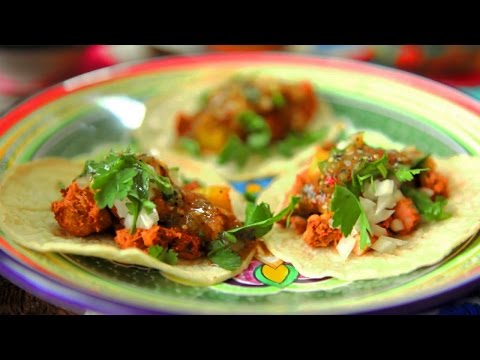
Featured Mexican Food: Mexican Recipes for Kids
Mexican food often uses vibrant spices such as cumin, coriander, lime, and more. Corn is also very common in Mexican cooking.
Here are some common foods in Mexico:
Tamales – a dough made of corn cooked in a corn husk
Pozole – a soup made with broth, corn, spices, and toppings
Chilaquiles – fried corn tortillas topped with eggs, salsa, cheese, and cream
Tortillas – a flatbread
Meat, especially beef and pork
Taco – a folded tortilla with fillings
Aguas frescas – fresh juices
Mexican Recipes for Kids
Here are some of our favorite kid friendly Mexican food recipes!
Simple and kid-friendly Instant Pot black bean and rice burrito filling. My 9 year old can make this recipe on his own, so you definitely can, too! It’s not the most traditional filling, but is adapted to be vegetarian and very easy to make.
An image of Self Portrait – The Frame, by Frida Kahlo
Observe yourself in the mirror. Look at the shape of your eyes and nose.
Start by drawing an oval, then split it into four parts. Draw eyes along the middle horizontal line, then fill in the rest in whatever colors represent your life!
HERE are 9 other Frida Kahlo-inspired art projects for kids!
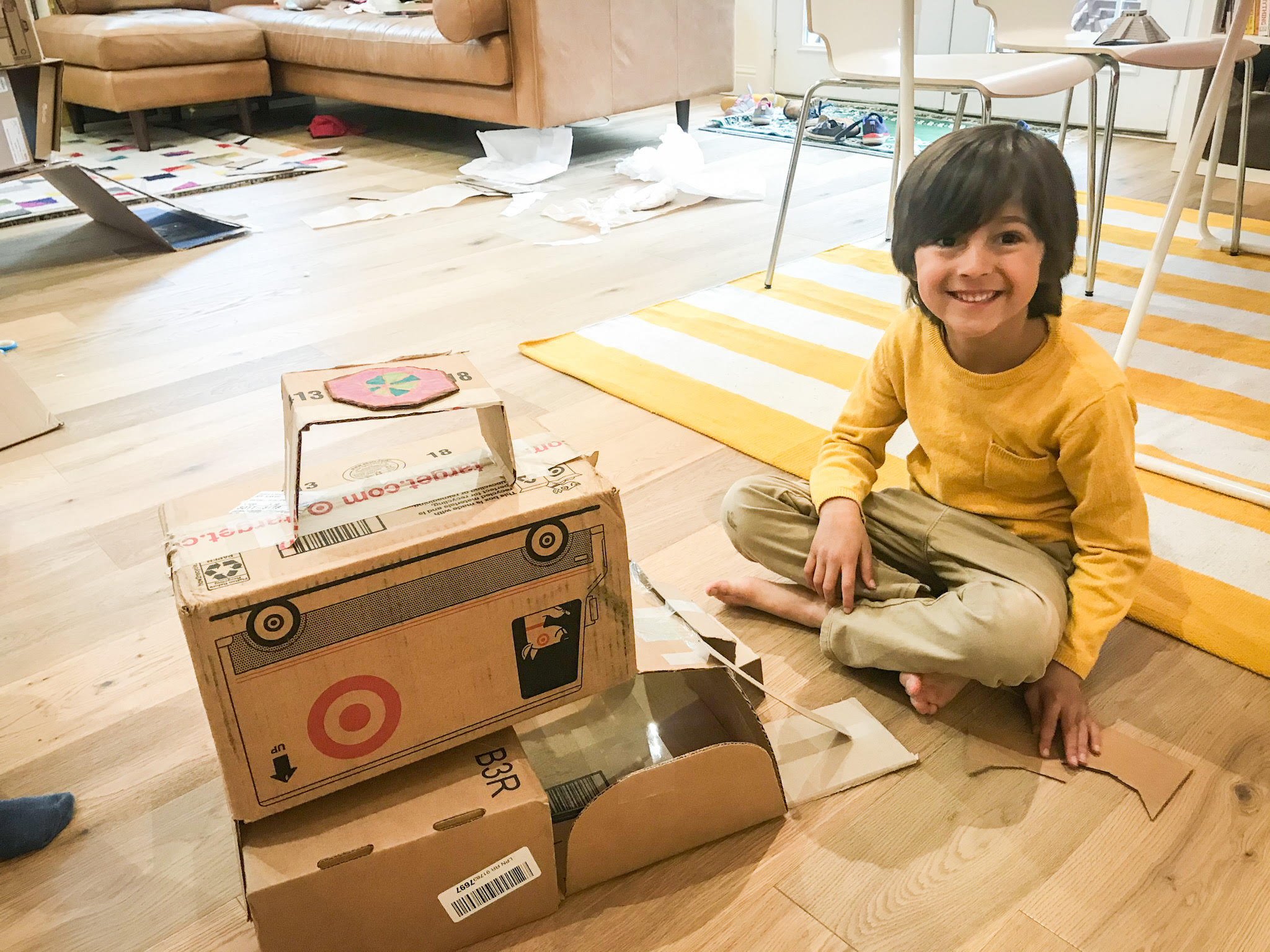
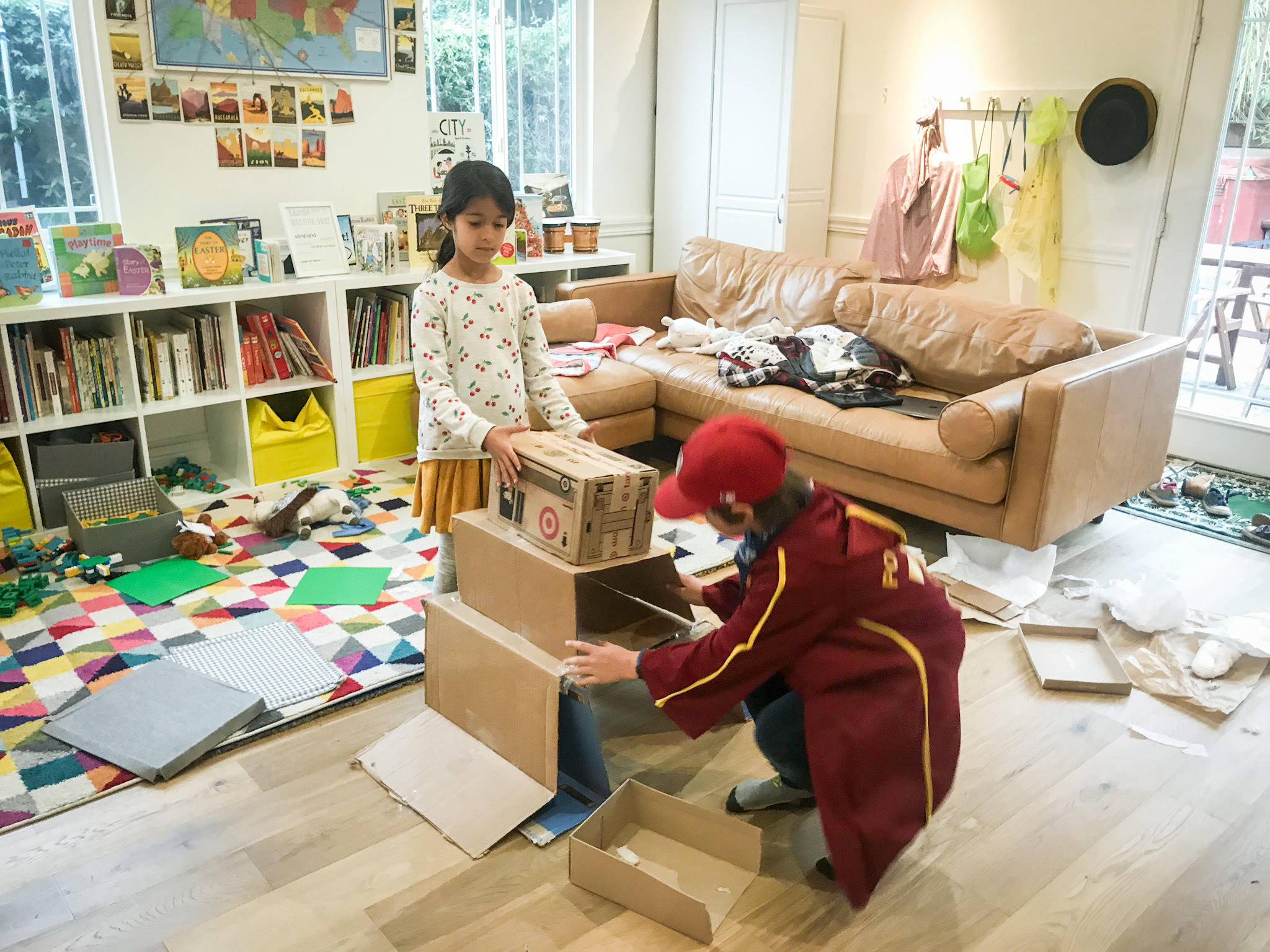
Discuss some of the key features of Chichen Itza and why it is important. Then build your own model of Chichen Itza. How many steps can you build?
You may also want to consider if you were an ancient Maya, what god you would revere. Would you pay homage to the rain god? The earth god? How would you design your own temple to that god?
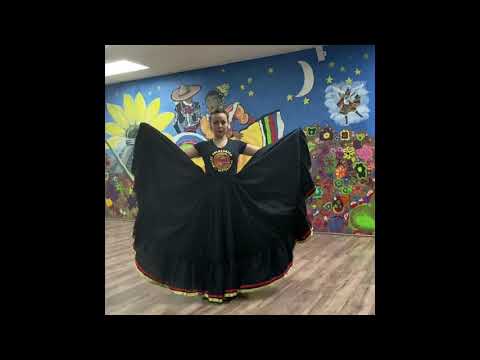
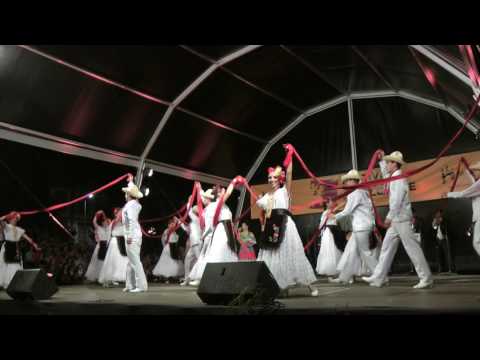
Mexican Folk Dance: Mexican Folklorico Dance Lesson
Mexican Music
There are many different styles of Mexican music. One popular style is mariachi music. Mariachi developed in the Mexican countryside in the 1700s. Mariachi music usually has at least 2 violins, 2 trumpets, and a few different types of guitars. It can often have as many as 20 musicians!
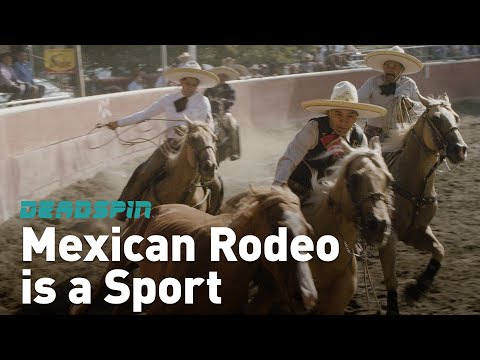
Charrería: National Sport of Mexico
Charrería is an equestrian event that often takes place at a bullfighting tournament. It is the national sport of Mexico (although association football – soccer – is the most popular).
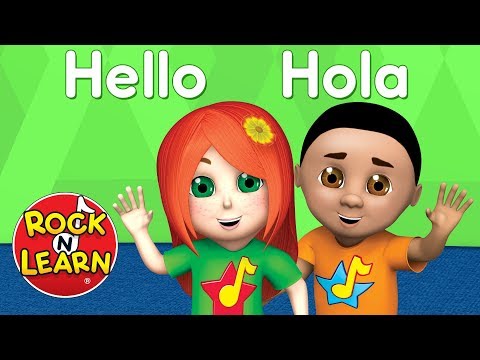
Languages in Mexico
Spanish is the most common language spoken in Mexico. While it is officially the language used in government, it is not required by law.
Indigenous languages are also common in Mexico. Those are languages that were used in what is now Mexico, but prior to the arrival of European colonists.
Mexico has more Spanish speakers than any other country.
Hola means “hello” in Spanish.
Mexico Literature & Mexican Folktales
Mexican folktales are often allegorical. They are used to teach principles such as honesty, hard work, endurance, and wisdom.
Here is a read aloud of a Mexican folk tale called Cuckoo.
Mexico Writing Prompts for Elementary and Middle School Children
Write a paragraph on what excites you about visiting Mexico.
Look up a paleta recipe. Write your own with different fruits!
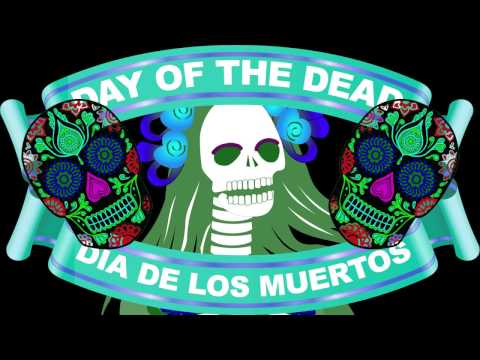
Day of the Dead Writing Assignment: Mexico for Kids Language Arts Activity
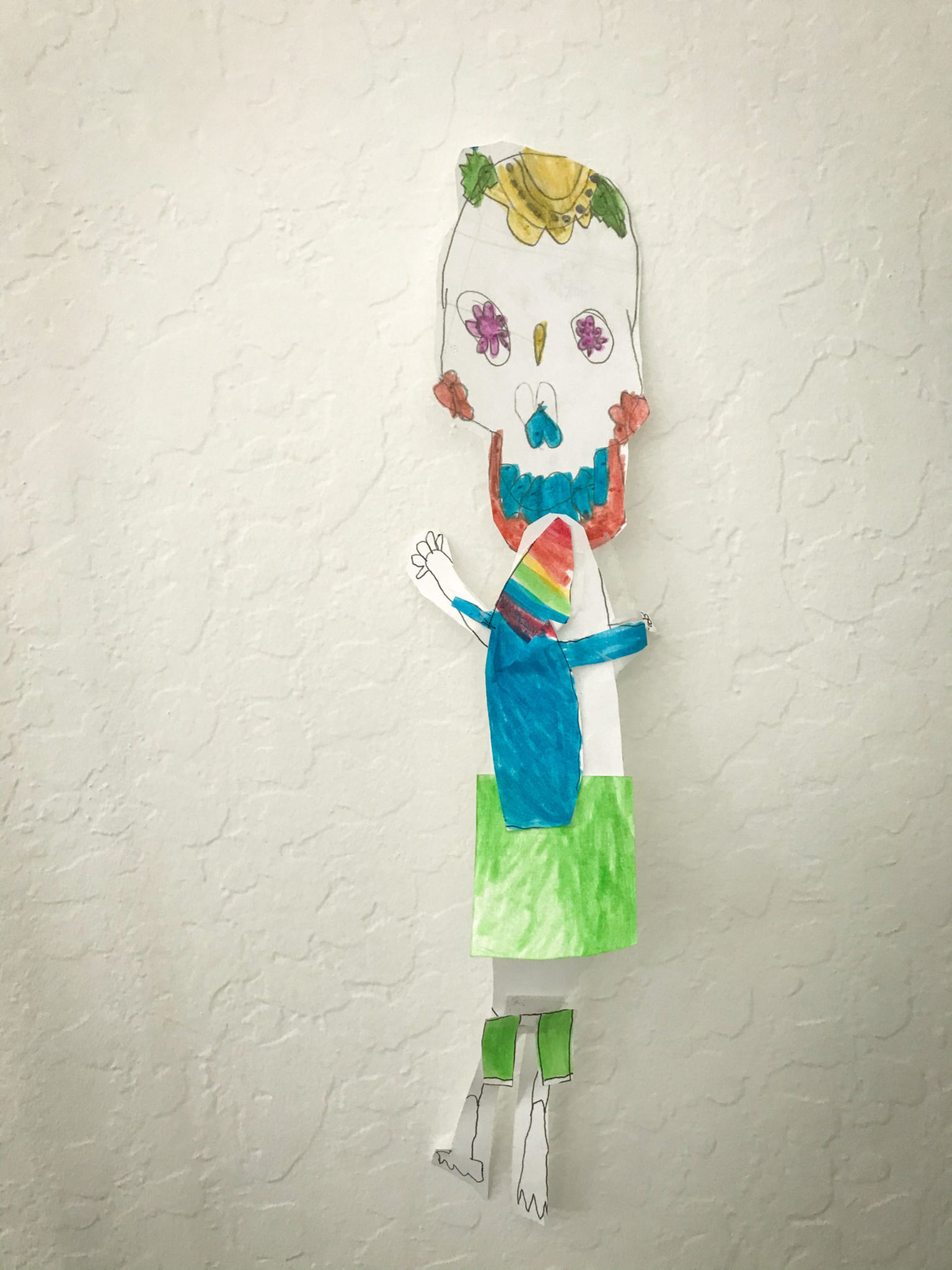
Read a book about Dia de los Muertos. Have children research an ancestor and write an essay talking about her or his life. Have kids consider for what they think the ancestor would most want to be remembered.
Kid Movies About Mexico
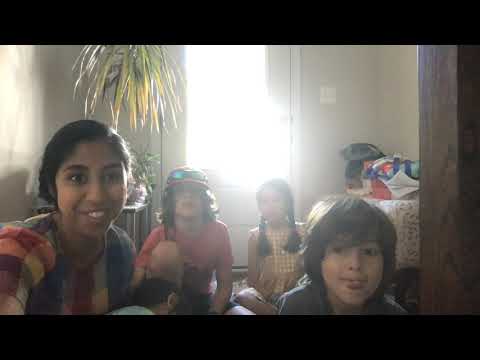
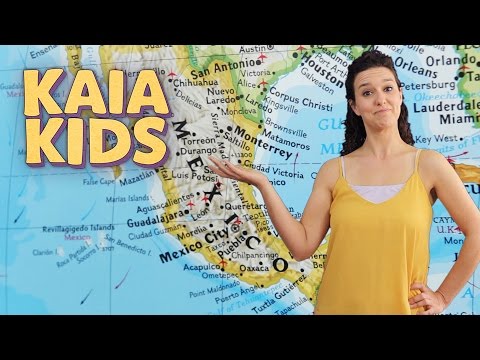
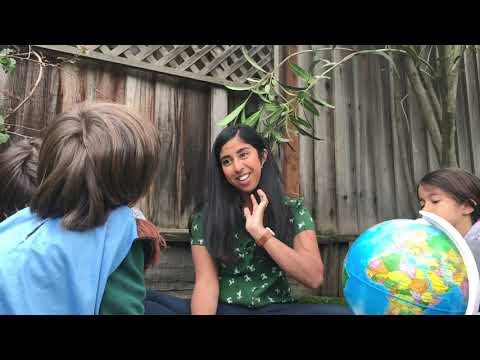
Mexico Conversations with a Local: Culture, History, & Food Discussion Video
Mexico with Kids Discussion Questions
What is something you do to remember your ancestors? What have you learned from them or their examples that makes you a better person?
At what age will you consider yourself an adult? 15?
When the Spanish explorer Cortés met the Aztec Emperor Moctezuma, multiple translators were required. Moctezuma’s generous language and Cortés’s ambition resulted in a significant misunderstanding and thousands of deaths. How do you make sure that you understand what other people are saying?
If you built a structure as precisely beautiful as Chichen Itza, what would you use it for?
Is there a part of your culture you would like to preserve (like how Frida Kahlo made sure to wear traditional Mexican clothes)?
Thanks for Taking a Virtual Visit to Mexico With Us!
We’ve loved putting together this resource to virtually visit Mexico. We’d love to hear if you do any of these activities for a homeschooling Mexico unit, or if you visit in person!
We hope to inspire curiosity and connection through exploring and learning, and we hope this guide helps you and your families. Please share any activities you do with us over on our Instagram. And we’d be delighted if you passed this Mexico for kids virtual tour and homeschooling resource along to others, as well!
MORE POSTS
IF YOU LIKED THIS POST ABOUT MEXICO FOR KIDS, YOU MIGHT LIKE THESE POSTS TOO:
This website uses cookies so that we can provide you with the best user experience possible. Cookie information is stored in your browser and performs functions such as recognizing you when you return to our website and helping our team to understand which sections of the website you find most interesting and useful.
Read more about our Privacy Policy.
Strictly Necessary Cookies
Strictly Necessary Cookie should be enabled at all times so that we can save your preferences for cookie settings.