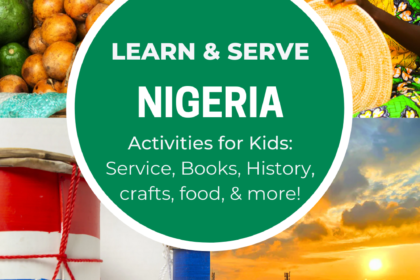
Join us as we journey to the incredible country of Nigeria! During this virtual tour of Nigeria for kids, we’ll enjoy fun and inspiring Nigeria activities. This Nigeria virtual field trip is a perfect way to explore and also serve … Read More
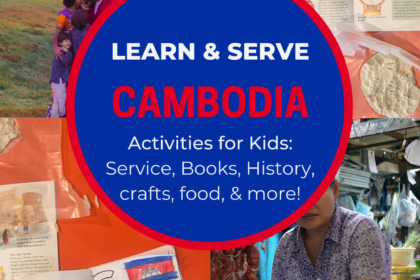
Join us as we journey to the incredible country of Cambodia! During this virtual tour of Cambodia for kids, we’ll enjoy fun and inspiring Cambodia activities. This Cambodia virtual field trip is a perfect way to explore and also serve … Read More
Hanukkah is a Jewish festival of lights honoring the rededication of the Second Temple of Jerusalem. It is marked by lighting 8 candles for the 8 days of celebration. These Hanukkah activities are wonderful for kids and families of all … Read More
Join us as we journey to the incredible country of Japan! During this virtual tour of Japan for kids, we’ll enjoy fun and inspiring Japan activities. This Japan virtual field trip is a perfect way to explore and also serve … Read More
Join us as we journey to the incredible country of South Korea! During this virtual tour of South Korea for kids, we’ll enjoy fun and inspiring South Korea activities. This South Korea virtual field trip is a perfect way to … Read More
Join us as we journey to the incredible country of Thailand! During this virtual tour of Thailand for kids, we’ll enjoy fun and inspiring Thailand activities. This Thailand virtual field trip is a perfect way to explore and also serve … Read More
It’s been a privilege and a gift to research the best nonprofits to donate to for the Global Service Advent. I wanted organizations that had a track record of doing amazing work in each of the featured countries, and that … Read More
Join us as we journey to the incredible country of India! During this virtual tour of India for kids, we’ll enjoy fun and inspiring India activities. This India virtual field trip is a perfect way to explore and also serve … Read More
South and Central America week for the Global Service Advent is sponsored by Cotopaxi. Join us as we journey to the incredible country of Ecuador! During this virtual tour of Ecuador for kids, we’ll enjoy fun and inspiring Ecuador activities. … Read More
I’ve attended a favorite things party every year for 7 years. They’re some of my favorite girls’ nights, and they’re fun whether you know everyone there or not. Essentially, these are parties where everyone brings a “favorite thing” to trade … Read More
South and Central America week for the Global Service Advent is sponsored by Cotopaxi. Join us as we journey to the incredible country of Venezuela! During this virtual tour of Venezuela for kids, we’ll enjoy fun and inspiring Venezuela activities. … Read More
South and Central America week for the Global Service Advent is sponsored by Cotopaxi. Join us as we journey to the incredible country of Colombia! During this virtual tour of Colombia for kids, we’ll enjoy fun and inspiring Colombia activities. … Read More
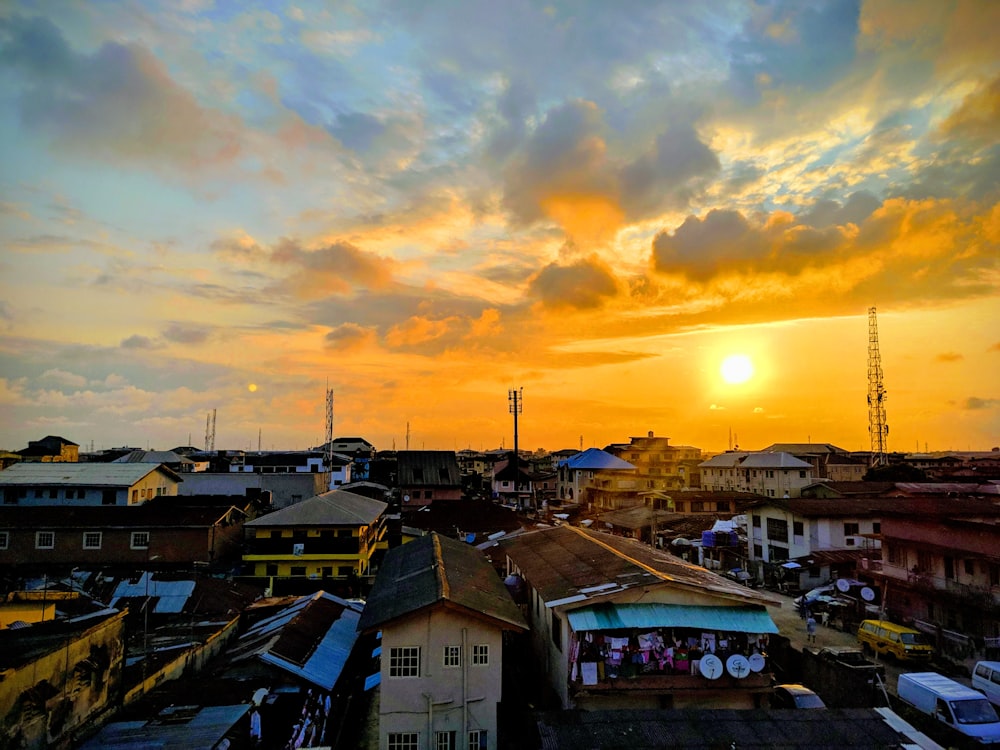
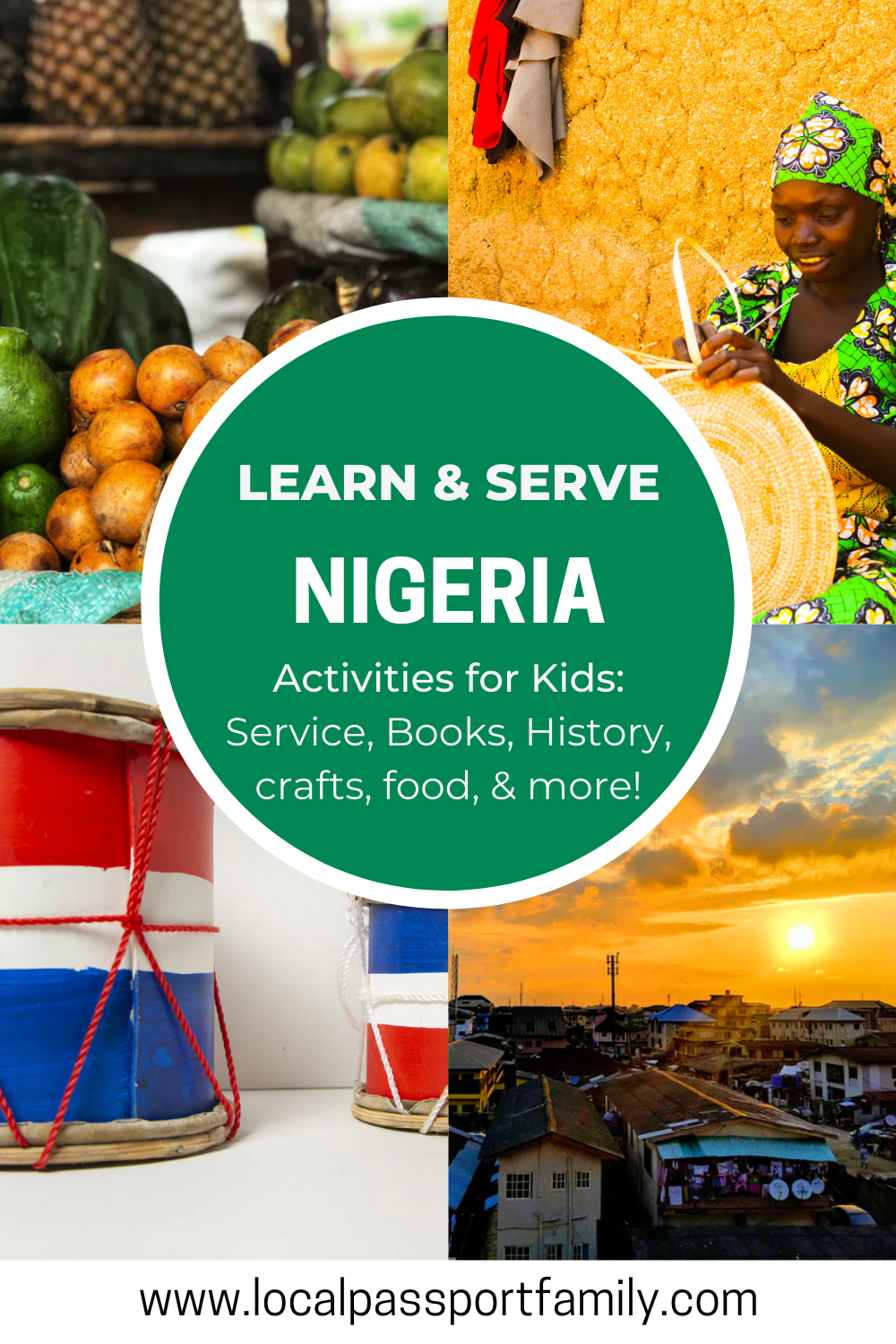
Join us as we journey to the incredible country of Nigeria! During this virtual tour of Nigeria for kids, we’ll enjoy fun and inspiring Nigeria activities. This Nigeria virtual field trip is a perfect way to explore and also serve the world right from home during this holiday season!
You can find the full list of countries for the global children’s advent right HERE. Be sure to sign up for the email list to get all the information in advance and to receive fun extras!
Don’t miss the global service opportunities, teaching moments, and giveaways with the Global Service Advent!
This Nigeria virtual tour contains affiliate links, but all opinions are 100% my own. That means I earn a small commission if you purchase through my link, but doesn’t change your price.
The United Nations Children’s Fund provides humanitarian and developmental aid to kids in 192 countries and territories around the world. It has helped reduce child mortality, worked to support quality education, assisted in emergencies, made strides to alleviate child poverty, and more.
How Families Can Help in Nigeria
Consider if there’s some way you can donate or fundraise at least $1 for UNICEF. Here are some ideas for either fundraising online or outdoors:
Sell 4 cups of lemonade
Sing a holiday song in a parking lot and collect donations
Host a virtual fundraiser
Teach a 10 minute kids class on Zoom (baking? LEGO building? Star Wars origami?)
Have you ever shared food with someone or has someone shared food with you? How did it make you feel?
Have you known someone to give of their own stuff even when they didn’t have a lot?
What is something you could share with someone else? This could be things like your time or your talents, like making a card for someone.
Other Nigeria Books for Kids
Languages in Nigeria: Nigerian Activities for Language Arts
English is the official language of Nigeria, although Hausa is the most widely spoken language. Yoruba, Igbo, Fula, and many other languages are spoken in Nigeria. There are over 520 spoken languages in Nigeria!
NIGERIA SOCIAL STUDIES:
NIGERIA VIRTUAL TOUR OF HISTORY & LANDMARKS
History in Nigeria
Basic Facts
The capital of Nigeria is Abuja.
The official name is the Federal Republic of Nigeria.
Muhammadu Buhari is the current president of Nigeria.
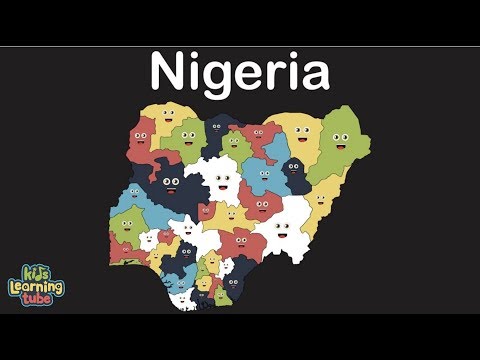
Nigeria is located in west Africa and bordered by Niger, Chad, Cameroon, and Benin. It also borders the Gulf of Guinea and the Atlantic Ocean.
English is the official language of Nigeria, but Hausa is the most widely spoken language.
The currency in Nigeria is the Nigerian naira. $1 USD ~ 380 naira.
Nigeria has a tropical climate with rainy and dry seasons.
Christianity and Islam are the main religions in Nigeria, with each about 49% of the population. Many include indigenous beliefs, as well.
The primary industries are petroleum, tourism, agriculture, and mining.
Fun Facts
Nigeria is the 7th most populous country in the world.
Nigeria has its own film industry called Nollywood.
The country has the largest economy in Africa.
Many Nigerians consider the left hand to be unclean.
HERE is a fun printable Nigeria flag coloring sheet!
Nigeria Virtual Tour to Featured Landmarks
Yankari National Park
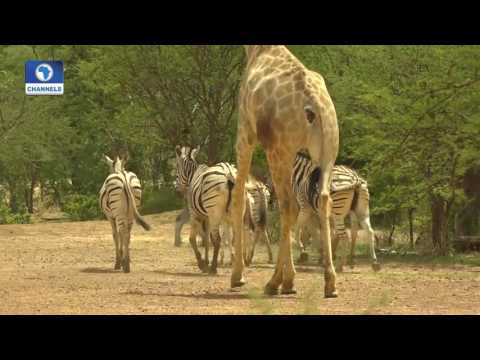
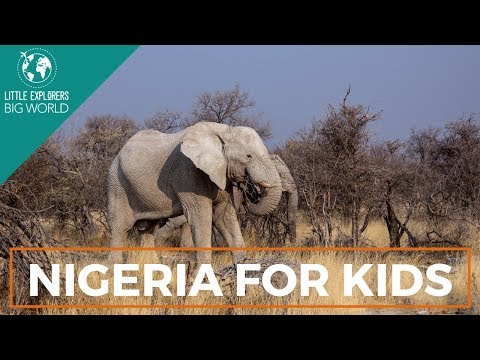
Yankari is a wildlife park in Nigeria. It’s the most popular place for tourists in Nigeria and is home to over 350 species of birds, African elephants, the West African lion, the African buffalo, and many more.
Featured Important Nigerian Person: Ngozi Okonjo-Iweala
Ngozi Okonjo-Iweala is a Nigerian-born economist who worked at the World Bank as a development expert and was also the Finance Minister of Nigeria. She is the first woman to become the Finance Minister of Nigeria.
NIGERIAN ACTIVITIES: ARTS & CULTURE
Featured Nigerian Artist: Ben Enwonwu
Ben Enwonwu (full name Odinigwe Benedict Chukwukadibia Enwonwu) was a Nigerian painter and sculptor and one of the most influential artists of the 20th century. He worked on a commissioned portrait sculpture for Queen Elizabeth. He also created the paintings, “Christine” and one of an Ife princess Tutu, often called, “Africa’s Mona Lisa.”
You can learn to play this fun dara math game for kids from Nigeria!
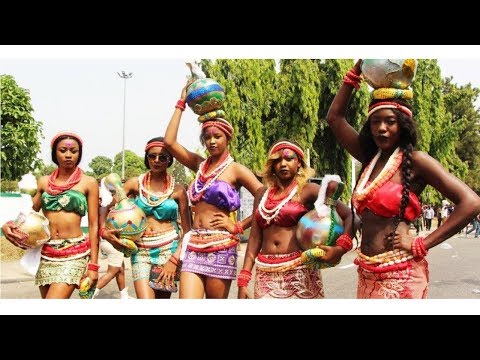
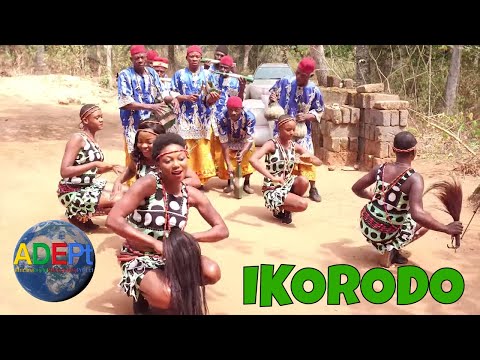
Nigerian Folk Dance
Nigerian Music
Sports in Nigeria
SCIENCE + MATH
Cooking activity, Nigerian animals
Featured Nigerian Food: Nigerian Recipes for Kids
Jollof rice is a reddish, one-pot rice that is common in West Africa. It’s a very popular party food in Nigeria. It has a smoky flavor from being cooked over our fire and being allowed to burn slightly on the bottom.
VIDEO + FURTHER LEARNING & DISCUSSION FOR NIGERIA VIRTUAL TOUR
Kid Videos About Nigeria
Nigeria with Kids Discussion Questions
Rice is a staple in Nigerian food. Do you consume a lot of rice in your home?
What is an animal you’d be interested in seeing in Nigeria?
Do you ever like to have dance parties in your home? Is the way you like to move your body similar to or different from these forms of Nigerian dance?
Thanks for Taking a Virtual Visit to Nigeria With Us!
We’ve loved putting together this resource to virtually visit Nigeria. We’d love to hear if you do any of these activities for a homeschooling Nigeria unit, or if you visit in person!
We hope to inspire curiosity and connection through exploring and learning, and we hope this guide helps you and your families. Please share any activities you do with us over on our Instagram. And we’d be delighted if you passed this Nigeria for kids virtual tour and homeschooling resource along to others, as well!
MORE POSTS
IF YOU LIKED THIS POST ABOUT NIGERIA FOR KIDS, YOU MIGHT LIKE THESE POSTS TOO:
This website uses cookies so that we can provide you with the best user experience possible. Cookie information is stored in your browser and performs functions such as recognizing you when you return to our website and helping our team to understand which sections of the website you find most interesting and useful.
Read more about our Privacy Policy.
Strictly Necessary Cookies
Strictly Necessary Cookie should be enabled at all times so that we can save your preferences for cookie settings.